
Reducing food waste at home is an easy and impactful way to save money and help the environment. Millions of tons of food are thrown away each year, contributing to landfill waste and unnecessary resource use. Fortunately, making small adjustments in how you shop, store, and use food can lead to significant improvements. Here are some practical ways to reduce food waste at home.
Understand Why Food Gets Wasted
Before tackling food waste, it helps to understand the main reasons food ends up in the trash:
– Buying more than needed
– Improper food storage
– Confusing date labels (e.g., “best before” vs. “use by”)
– Cooking or serving too much food
– Not using leftovers effectively
With these in mind, you can explore solutions that target these common pitfalls.
Smart Shopping Practices
Plan Meals Ahead of Time
One of the best ways to avoid food waste is by planning your meals for the week:
– Make a weekly meal plan with breakfast, lunch, dinner, and snacks
– Check your pantry and fridge before shopping to avoid duplicates
– Create a grocery list based on the meal plan and stick to it
Planning meals helps you buy only what you need and prevents impulse purchases that may go to waste.
Shop More Frequently and Buy Less
Instead of buying large quantities once a week, consider shopping more often:
– Frequent smaller trips mean fresher produce and less chance of spoilage
– Buying smaller amounts encourages mindful consumption
If you prefer weekly shopping, focus on buying non-perishable items in bulk and perishables sparingly.
Proper Food Storage Techniques
Store Fruits and Vegetables Correctly
Different produce items require different storage conditions:
– Keep some fruits like apples and bananas at room temperature
– Store leafy greens and berries in the refrigerator with proper ventilation
– Avoid washing produce before storing, which can speed spoilage
Learn which items do well in the fridge and which don’t to extend their life.
Use Airtight Containers and Wraps
Proper sealing can prevent food from drying out or absorbing odors:
– Store leftovers in airtight containers rather than loosely covering with foil or plastic wrap
– Use reusable silicone bags or beeswax wraps to reduce single-use plastics
Good storage slows down spoilage and keeps food fresher longer.
Understand Food Label Dates
Food labels can be confusing:
– “Best before” indicates quality, not safety – food may still be safe to consume after this date
– “Use by” refers to safety – avoid consuming food after this date
Using this knowledge allows you to judge if food is still good instead of discarding it prematurely.
Make Use of Leftovers and Scraps
Creative Leftover Recipes
Transform leftovers into new dishes:
– Use leftover vegetables in stir-fries, soups, or omelets
– Turn stale bread into croutons or breadcrumbs
– Repurpose cooked rice or pasta into salads or casseroles
This reduces waste and saves you effort and money.
Portion Control and Serving Size
Serving the right amount of food helps prevent uneaten meals:
– Start with smaller portions; people can always go back for seconds
– Involve family members in portioning to reduce plate waste
Compost Food Scraps
For items that can’t be eaten, composting is a great way to reduce landfill waste:
– Collect vegetable peels, coffee grounds, egg shells, and other compostable scraps
– Use a home compost bin or community composting program
Composting enriches soil and reduces methane emissions from landfills.
Regularly Check Your Pantry and Fridge
Organize for Visibility
Keeping food organized helps you use items before they expire:
– Place older products at the front and newer ones at the back
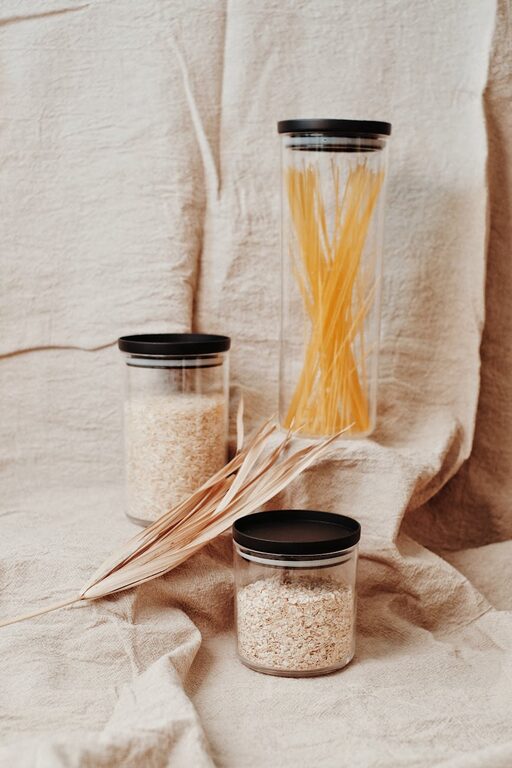
– Use clear containers for dry goods so you can see quantities
Conduct Weekly Food Audits
Review your food to identify items that need to be used soon:
– Prioritize meals that use these ingredients
– Freeze items close to expiration if possible
Regular checks prevent forgotten food from spoiling.
Educate Your Household About Food Waste
Raising awareness helps everyone contribute:
– Share tips on proper storage and portion sizes
– Encourage mindful eating and leftovers use
– Discuss the environmental and financial benefits of reducing waste
When everyone is on the same page, reducing food waste becomes easier and more effective.
Final Thoughts
Reducing food waste at home is achievable through simple, consistent habits. By planning meals, shopping smart, storing food properly, making use of leftovers, organizing your kitchen, and engaging your household, you can cut down waste significantly. Not only will these steps save you money, but they also contribute to a healthier planet by conserving resources and reducing greenhouse gas emissions. Start small and build these habits over time — every meal matters.
—
Thank you for reading! If you have other tips for reducing food waste, feel free to share them in the comments below.