
Composting at home is a great way to reduce kitchen waste, enrich your garden soil, and contribute to a healthier environment. If you’re new to composting, it might seem complicated at first, but with a few easy tips, you can start your own compost bin confidently and successfully.
In this guide, we’ll cover everything you need to know to get started composting at home, from choosing the right location to managing your compost pile effectively.
What Is Composting?
Composting is the natural process where organic materials like food scraps and yard waste break down into nutrient-rich soil, called compost. This “black gold” can improve soil health, promote plant growth, and reduce the need for chemical fertilizers.
Benefits of Composting at Home
– Reduces landfill waste: Food and yard waste make up a large portion of trash; composting keeps this out of landfills.
– Enhances soil quality: Compost improves soil texture, moisture retention, and fertility.
– Supports plant growth: Nutrient-rich compost feeds plants naturally.
– Saves money: Reduces the need to buy commercial fertilizers and soil conditioners.
– Environmentally friendly: Composting lowers greenhouse gas emissions by reducing organic waste in landfills.
Getting Started: Beginner Tips for Home Composting
1. Choose the Right Composting System
There are several composting methods suitable for beginners:
– Compost Bin: A contained bin placed in your yard is neat and helps retain heat.
– Compost Pile: Simply pile organic waste in a designated area; easier but can be messier.
– Tumbler Composters: These bins can be rotated to mix the contents, speeding up decomposition.
– Vermicomposting: Uses worms to break down food scraps indoors, ideal for small spaces.
Choose one that fits your space, budget, and lifestyle.
2. Pick the Perfect Location
– Find a well-drained, shady spot in your yard for your compost bin or pile.
– Avoid placing it too close to your house, to prevent pests and odors.
– Make sure it’s accessible so you can add materials and turn the compost easily.
3. Understand What to Compost
Composting works best when you balance “green” and “brown” materials.
– Greens: These are nitrogen-rich and include fruit and vegetable scraps, coffee grounds, grass clippings, and fresh plant trimmings.
– Browns: These are carbon-rich and include dry leaves, straw, shredded paper, cardboard, and wood chips.
4. What Not to Compost
Avoid adding these items to your compost:
– Meat, dairy products, and oily foods (can attract pests and cause odors)
– Diseased plants or weeds with seeds
– Pet waste
– Treated wood or synthetic materials
5. Layer Your Compost Properly
Start your compost with a layer of coarse browns (like small branches or straw) for aeration. Then alternate layers of greens and browns:
– Brown layer (carbon-rich)
– Green layer (nitrogen-rich)
– Repeat until the bin is full
This balance helps speed decomposition.
6. Maintain Your Compost
– Moisture: Compost should be as damp as a wrung-out sponge. Water if too dry.
– Aeration: Turn your compost every week or two to introduce oxygen, which helps microbes break down materials.
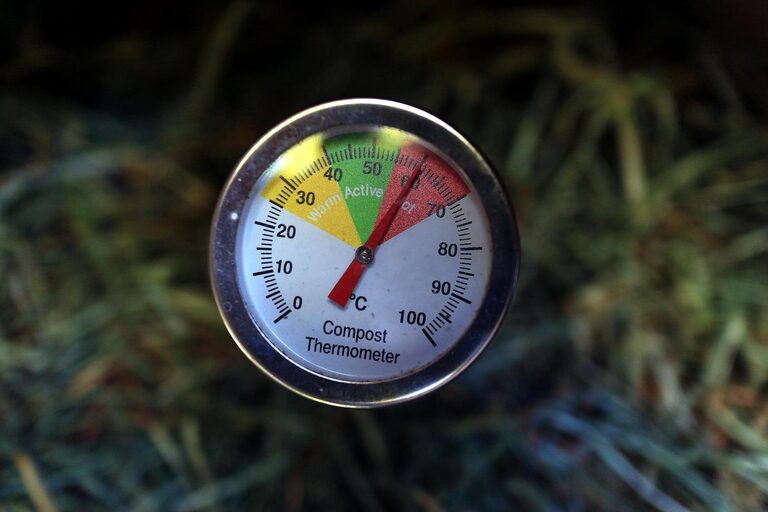
– Temperature: Healthy compost heats up; if it’s not warm, check the moisture and nutrients.
7. Troubleshooting Common Problems
– Bad smell: Usually caused by too much green material or lack of aeration. Add more browns and turn the pile.
– Pile too dry: Add water or more green materials.
– Pile too wet: Add dry browns and turn to allow air in.
– Slow decomposition: Chop or shred materials to increase surface area and speed up the breakdown.
Using Your Finished Compost
After a few months (usually 3-6), your compost will be dark, crumbly, and smell earthy. You can use it to:
– Mix into garden beds to improve soil fertility
– Add to potted plants as a top dressing
– Use as mulch to retain moisture around plants
– Enhance lawn soil by spreading a thin layer
Final Tips for Success
– Start small and be patient—composting is a learning process.
– Keep a small kitchen compost container to collect scraps and empty it regularly into your outdoor compost.
– Use a compost thermometer if you want to monitor pile temperature.
– Educate family members or housemates to help collect compostable waste.
Conclusion
Composting at home is a simple, rewarding way to reduce waste and boost your garden’s health. By choosing the right method, balancing materials, and maintaining your compost properly, even beginners can create rich, nourishing compost in no time. Start today and enjoy the benefits of your own homemade soil enhancer!
Happy composting!