
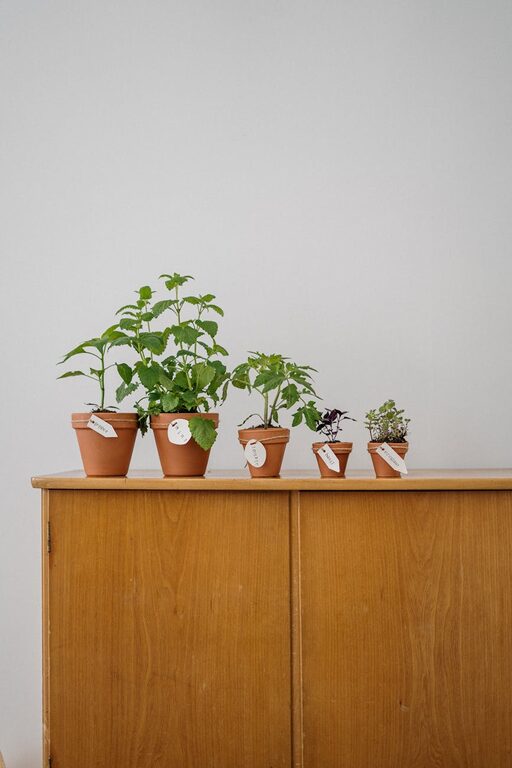
Growing herbs indoors is a rewarding way to bring fresh flavors into your kitchen while brightening up your living space. Whether you have a spacious sunroom or just a sunny windowsill, starting a small herb garden at home is simple and satisfying. This guide will walk you through the essentials to help your herbs thrive indoors.
Why Grow Herbs Indoors?
Indoor herb gardens provide fresh ingredients for cooking all year long. They are also great for people with limited outdoor space or those who want easy access to herbs without trips to the store. Plus, herbs can improve indoor air quality and add a touch of green to your home.
Choosing the Right Herbs for Indoor Gardening
Some herbs adapt better to indoor conditions than others. Here are popular choices to start with:
– Basil – needs plenty of light and warmth
– Mint – grows quickly and can tolerate partial shade
– Parsley – prefers moderate sunlight and regular watering
– Thyme – thrives in bright light and well-drained soil
– Chives – easy to grow and needs medium sunlight
– Oregano – loves bright light and dry conditions
Start with two or three herbs to keep your setup manageable and increase your collection as you get comfortable.
Supplies You’ll Need
Before planting, gather these basic materials:
– Containers: Small pots with drainage holes are ideal to prevent waterlogging.
– Potting Mix: Use a high-quality, well-draining potting soil designed for indoor plants.
– Seeds or Starter Plants: Choose from seed packets or small plants at nurseries.
– Lighting: Most herbs need 6–8 hours of bright light daily. A sunny south-facing window works well; otherwise, consider LED grow lights.
– Watering Can: A small watering can with a narrow spout helps avoid overwatering.
– Fertilizer: Use a balanced, water-soluble fertilizer every 4-6 weeks during the growing season.
Setting Up Your Indoor Herb Garden
Step 1: Pick Your Spot
Find a bright location with consistent light. Most herbs require direct sunlight, so a windowsill that receives several hours of daylight is perfect. If natural light is limited, use a grow light placed 6-12 inches above the plants for 12-14 hours daily.
Step 2: Prepare Containers and Soil
Fill your pots with potting mix, leaving about an inch from the rim for easy watering. Avoid garden soil, which can compact and cause poor drainage indoors.
Step 3: Plant Your Herbs
If using seeds, plant them according to the packet instructions—usually about ¼ inch deep. For starter plants, gently loosen the roots and transplant them into the pots, pressing soil firmly around the base.
Step 4: Water Properly
Water your herbs right after planting to settle the soil. Keep the soil moist but not soggy. Most herbs prefer the top inch of soil to dry out between waterings. Overwatering is a common mistake that can lead to root rot.
Step 5: Maintain and Harvest
– Fertilize: Feed your herbs with diluted fertilizer every few weeks.
– Prune: Regularly pinch or trim to encourage bushy growth and prevent the plants from becoming leggy.
– Rotate: Turn pots weekly so herbs grow evenly toward the light.
– Harvest: Snip leaves as needed once plants are established. Avoid removing more than one-third of the plant at a time to keep them healthy.
Troubleshooting Common Problems
– Yellowing Leaves: Often a sign of overwatering or poor drainage.
– Leggy Growth: Lack of sufficient light; move plants to a brighter spot.
– Pests: Occasionally, aphids or spider mites may appear. Wipe leaves with a damp cloth or use natural insecticidal soap.
– Slow Growth: Check light, water, and soil conditions—adjust as necessary.
Tips to Keep Your Herb Garden Thriving
– Start with easy-to-grow herbs like mint or chives.
– Use labeled containers to keep track of different herbs.
– Avoid placing herbs near drafts or heating vents.
– Re-pot every year to refresh soil and give roots room to grow.
– Experiment with culinary uses; fresh herbs can elevate salads, soups, and sauces.
Conclusion
Starting a small indoor herb garden is a fun project that adds both beauty and flavor to your home. With just a bit of care and the right conditions, you can enjoy fresh herbs all year long. Whether you use them in cooking or simply admire their green leaves, your indoor garden will bring satisfaction and freshness to your everyday life.
Happy gardening!